










It is very important to prevent spread of alien-species such as Bastard Cabbage which is commonly found in cover crop grains. Our seed is weed free.
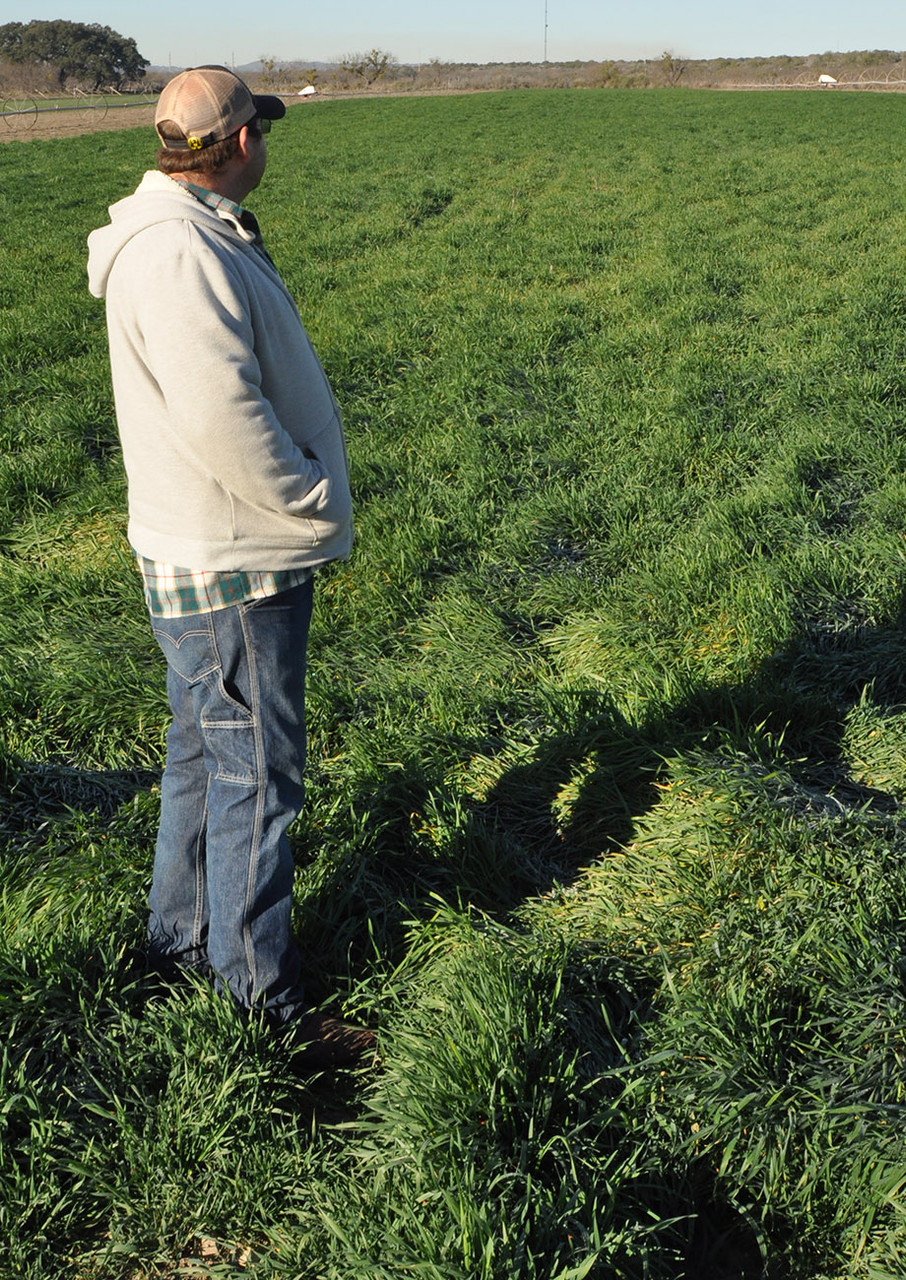
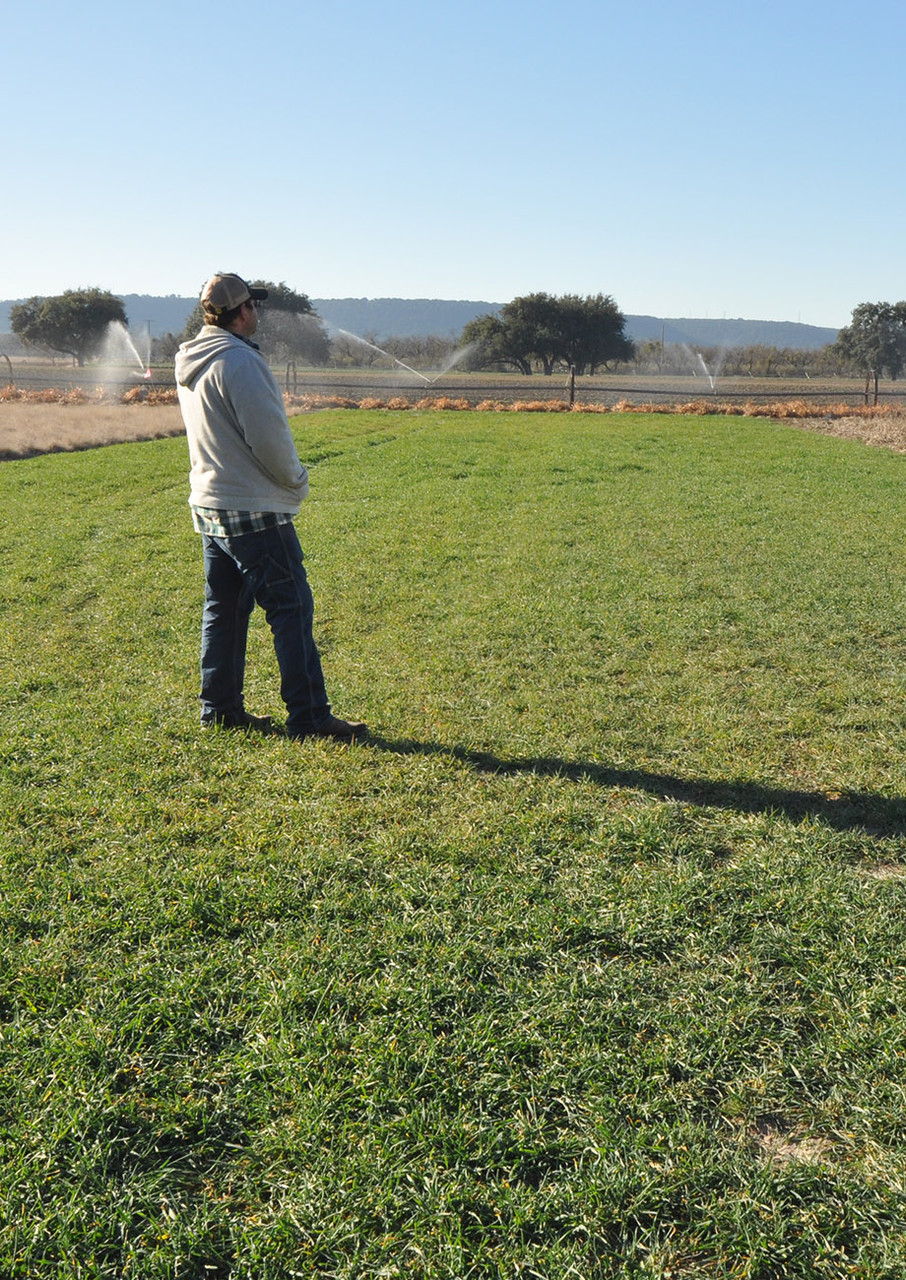
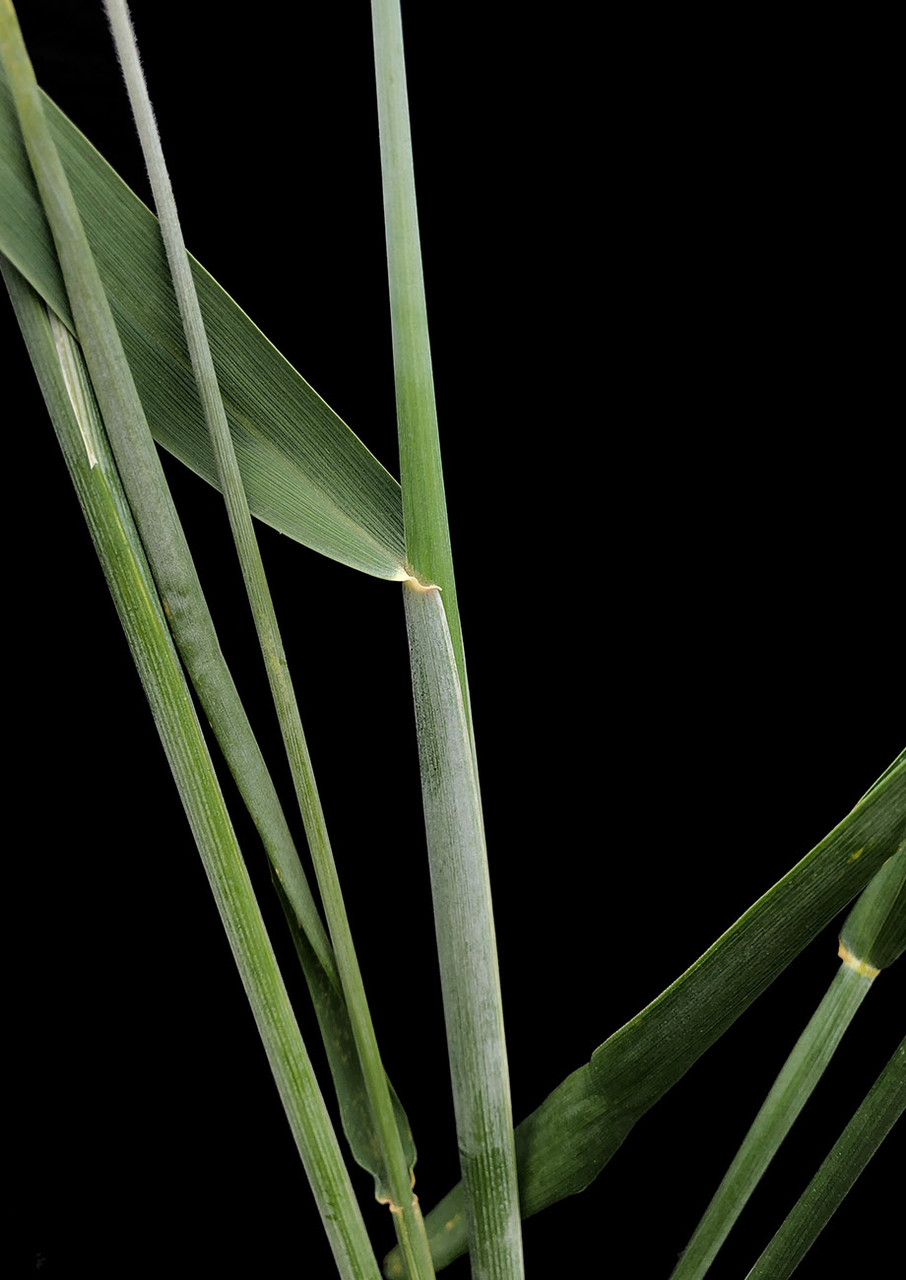
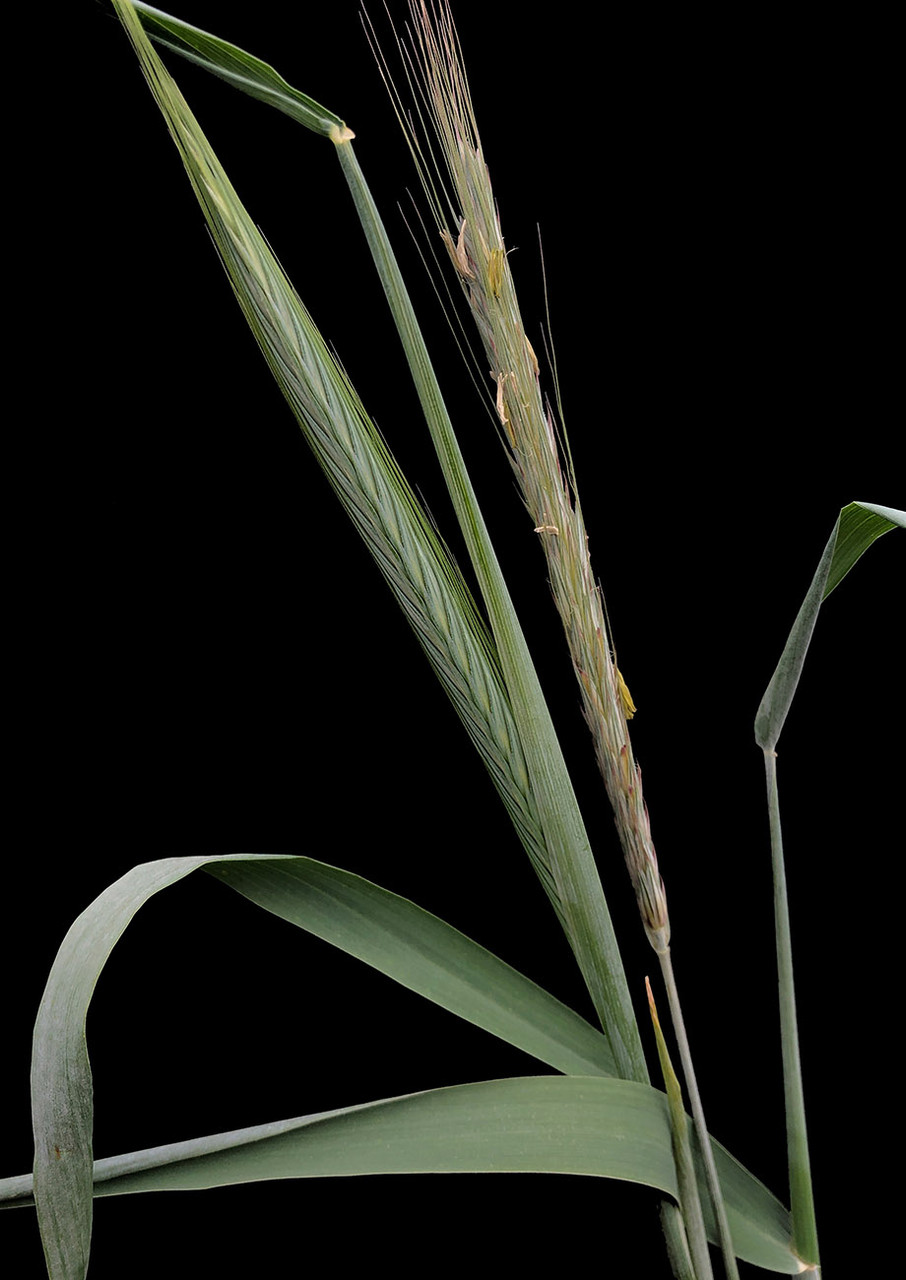
If you are ready to take action in the fall, plant a cover crop of cereal rye grain. This rye is entirely different than rye grass. Old time farmers used to cover crop their land before chemical fertilizers came along.
Cereal Rye is a non-invasive, non-native, and used for a one-time cover. Mow in the spring before seed set, or plow under, then plant permanent warm season grass.
Nurse Crop Rules of Thumb: For use as a nurse crop with native grasses, when planting on relatively level ground, a seeding rate of 20-50 lbs / acre of cereal rye grain can be added to provide cool season winter vegetation. If the area is a highly erodible slope or in a waterway, a rate up to 100 lbs / acre can be added to provide cool season, quick, short-term vegetation. Be sure to use full planting rates of other native seeds. Please consider other erosion control practices such as installing bio-degradable straw erosion blankets over the top of your seeding projects.
For use as a nurse crop with native wildflowers, a planting rate of 25 lbs / acre can be used. Use caution not to over apply the cool season cereal rye grain. Some years, seasonal climates in late winter/early spring of mild temperatures and wet weather, cereal rye can grow profusely causing competition to subdue native wildflowers. If your nurse crop experiences a late mild wet winter causing the cereal rye to grow into overdrive... see our video below for strategic mgmt tips to make your long-term native plantings a success. These tips work great, are easy to implement, but are very dependent on proper timing!
Please call us if you have questions, we are happy to discuss specific recommendations for your area.
If you are ready to take action in the fall, plant a cover crop of cereal rye grain. This rye is entirely different than rye grass. Old time farmers used to cover crop their land before chemical fertilizers came along.
Cereal Rye is a non-invasive, non-native, and used for a one-time cover. Mow in the spring before seed set, or plow under, then plant permanent warm season grass.
Nurse Crop Rules of Thumb: For use as a nurse crop with native grasses, when planting on relatively level ground, a seeding rate of 20-50 lbs / acre of cereal rye grain can be added to provide cool season winter vegetation. If the area is a highly erodible slope or in a waterway, a rate up to 100 lbs / acre can be added to provide cool season, quick, short-term vegetation. Be sure to use full planting rates of other native seeds. Please consider other erosion control practices such as installing bio-degradable straw erosion blankets over the top of your seeding projects.
For use as a nurse crop with native wildflowers, a planting rate of 25 lbs / acre can be used. Use caution not to over apply the cool season cereal rye grain. Some years, seasonal climates in late winter/early spring of mild temperatures and wet weather, cereal rye can grow profusely causing competition to subdue native wildflowers. If your nurse crop experiences a late mild wet winter causing the cereal rye to grow into overdrive... see our video below for strategic mgmt tips to make your long-term native plantings a success. These tips work great, are easy to implement, but are very dependent on proper timing!
Please call us if you have questions, we are happy to discuss specific recommendations for your area.